
Introduction to Pravi Celer
Pravi celer is far more than a simple kitchen vegetable. Across Central and Southeast Europe, this name carries a specific meaning that goes beyond the generic idea of celery. It represents tradition, authenticity, and a deeper connection to natural cooking practices that have been passed down for generations. While modern supermarkets often present celery in standardized forms, pravi celer refers to the original, fully aromatic variety that is valued for both its flavor and its versatility.
In English, pravi celer is commonly understood as true celery, particularly the variety known for its strong aroma, robust root, and richly flavored leaves. It is a plant that bridges the gap between food and medicine, between everyday meals and cultural heritage. Understanding pravi celer means understanding why it has remained a staple in regional cuisines despite changing food trends.
What Is Pravi Celer ?
Pravi celer is a cultivated celery plant grown for its intense aroma and full-bodied taste. Unlike milder commercial celery varieties, pravi celer develops a stronger flavor profile that is instantly recognizable when cooked. The plant typically consists of a thick root, firm stalks, and dark green leaves, all of which are usable in the kitchen.
In many regions, the term pravi celer is used to distinguish this traditional celery from lighter, water-rich stalk celery commonly used in raw dishes. Pravi celer is prized not for crunch alone, but for depth of flavor. When added to soups, stews, or slow-cooked meals, it forms the aromatic base that defines the dish rather than merely supporting it.
Botanical Background of Pravi Celer
Pravi celer belongs to the celery family, which includes plants known for their aromatic oils and distinctive scents. What makes pravi celer unique is the way it is cultivated. The plant grows slowly, allowing its essential oils to fully develop. This slow growth is one of the reasons its flavor is more pronounced than that of fast-grown commercial celery.
The root of pravi celer grows underground and becomes dense and knotted, storing nutrients and aroma. The leaves, often overlooked in modern cooking, are highly valued in traditional kitchens. They contain concentrated flavor compounds that intensify when dried or cooked, making them ideal for seasoning broths and sauces.
Historical Significance of Pravi Celer
The history of pravi celer is closely linked to rural life and seasonal cooking. Long before refrigeration, people relied on vegetables that could be stored through winter or preserved in various forms. Pravi celer, especially its root, was ideal for this purpose. It could be kept in cool cellars for months without losing its quality.
Historically, pravi celer was also associated with health and vitality. In folk traditions, it was believed to strengthen the body and cleanse the system. These beliefs were not without basis, as the plant contains natural compounds that support digestion and overall wellness. Over time, pravi celer became a symbol of wholesome, honest food made from simple ingredients.
Pravi Celer in Traditional Cuisine
In traditional cooking, pravi celer plays a foundational role rather than a decorative one. It is often one of the first ingredients added to a pot, releasing its aroma into oil or water before other vegetables are introduced. This technique creates a flavor base that defines the entire dish.
Soups made with pravi celer have a deeper, more rounded taste. Stews gain complexity, and sauces become richer without the need for artificial flavor enhancers. In many households, no serious cooking begins without a piece of pravi celer being chopped and added to the pot. This practice highlights how central the vegetable is to authentic regional cuisine.
The Role of Pravi Celer Root
The root of pravi celer is one of its most distinctive features. Large, rough, and irregular in shape, it may not look appealing at first glance, but its culinary value is immense. When cooked, the root develops a subtle sweetness that balances its natural earthiness.
In traditional dishes, the root is often diced and cooked slowly, allowing it to absorb surrounding flavors while contributing its own aroma. It can also be mashed, roasted, or blended into purees. In all forms, the root of pravi celer adds substance and character to meals, making them more satisfying and nutritionally dense.
Leaves and Stalks of Pravi Celer
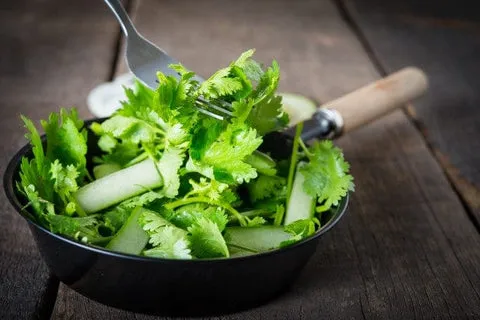
While the root receives much attention, the leaves and stalks of pravi celer are equally important. The stalks are firmer and more fibrous than those of common celery, making them better suited for cooking rather than raw consumption. When simmered, they release a strong, savory aroma that enhances broths and sauces.
The leaves are particularly prized for seasoning. Fresh leaves add brightness and intensity to dishes, while dried leaves can be stored and used throughout the year. In many traditional kitchens, dried celery leaves are considered as valuable as dried herbs, used sparingly to elevate simple meals.
Nutritional Profile of Pravi Celer
Pravi celer is valued not only for its flavor but also for its nutritional content. It is naturally low in calories while being rich in dietary fiber, which supports healthy digestion. The plant also contains vitamins and minerals that contribute to overall well-being.
The root provides complex carbohydrates that release energy slowly, making it suitable for hearty meals. The leaves contain concentrated nutrients due to their strong aroma compounds. Together, all parts of pravi celer contribute to a balanced diet that aligns well with traditional, whole-food eating habits.
Health Benefits Associated with Pravi Celer
For generations, pravi celer has been associated with various health benefits. It is traditionally used to support digestion, as its natural compounds stimulate digestive juices and improve appetite. Many people also value it for its mild cleansing effect on the body.
Pravi celer has also been linked to hydration and mineral balance. Its natural composition supports fluid regulation in the body, making it a popular ingredient in light soups and broths consumed during recovery or seasonal changes. While modern science continues to explore these effects, traditional knowledge has long recognized the vegetable’s positive impact.
Pravi Celer in Modern Cooking
Despite its deep roots in tradition, pravi celer remains highly relevant in modern kitchens. Chefs and home cooks alike are rediscovering its value as they move away from overly processed ingredients. Its ability to add flavor without artificial additives makes it ideal for contemporary, health-conscious cooking.
Modern recipes often combine pravi celer with international ingredients, creating fusion dishes that respect tradition while embracing innovation. Whether used in vegetarian meals or as part of meat-based dishes, pravi celer adapts easily while maintaining its identity.
Growing and Selecting Quality Pravi Celer
Quality pravi celer begins in the soil. The plant thrives in nutrient-rich ground and requires time to develop its full aroma. This is why locally grown celer often has a stronger flavor than imported varieties grown for mass distribution.
When selecting pravi celer, freshness is key. The root should feel heavy and firm, with no soft spots. The leaves should be vibrant and aromatic. A strong, clean celery scent is a good indicator of quality, signaling that the essential oils are well developed.
Storage and Preservation of Pravi Celer
One of the strengths of pravi celer is its excellent storage potential. The root can be kept in cool, dark conditions for extended periods without losing flavor. This makes it a valuable ingredient for winter cooking, when fresh vegetables are less available.
Leaves can be preserved by drying, while stalks can be chopped and frozen for later use. These methods allow cooks to enjoy the benefits of pravi celer year-round, maintaining a connection to traditional cooking practices even in modern lifestyles.
Cultural Importance of Pravi Celer
Beyond nutrition and taste, pravi celer holds cultural significance. It represents a connection to the land, to seasonal rhythms, and to family traditions. In many regions, recipes featuring pravi celer are passed down through generations, each family adding its own touch while preserving the essence of the dish.
The continued use of pravi celer in home cooking reflects a desire to maintain authenticity in an increasingly industrialized food system. It stands as a reminder that simple, natural ingredients can create deeply satisfying meals when treated with respect and knowledge.
Conclusion
Pravi celer is more than just a vegetable; it is a symbol of genuine cooking and nutritional wisdom. Its strong aroma, versatile uses, and cultural importance set it apart from modern, diluted alternatives. Whether used in traditional soups, modern recipes, or health-focused meals, pravi celer continues to prove its value.
By understanding and appreciating pravi celer, cooks can reconnect with a richer culinary heritage while enjoying the practical benefits of a truly versatile ingredient. In a world of fast food and shortcuts, pravi celer stands as a testament to the enduring power of authentic, thoughtfully prepared food.