
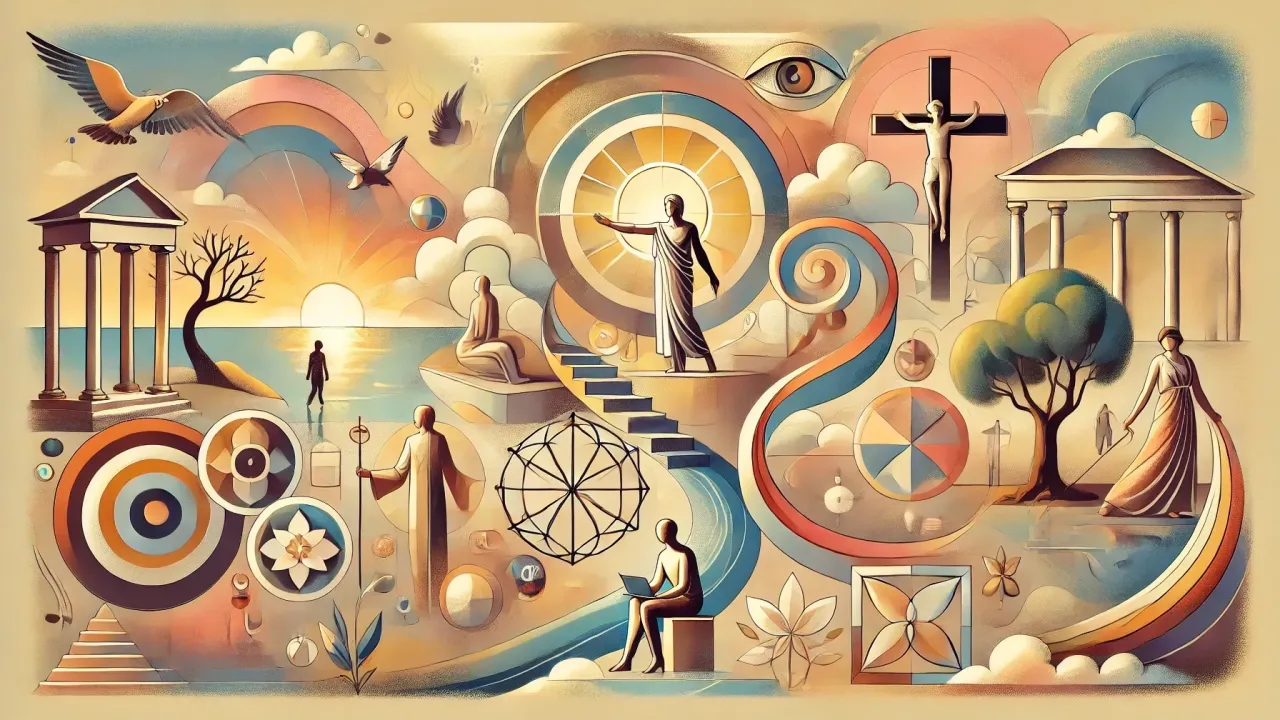
Pagliaesque has become a powerful marker in modern intellectual discourse. It does not describe a trend, a personality quirk, or a passing style of writing. Instead, pagliaesque signals a distinct way of interpreting culture one that is historically ground, intellectually independent, and unapologetically direct. When an argument, essay, or worldview is describe as pagliaesque, it suggests depth rather than comfort, realism rather than ideology, and seriousness rather than sentimentality.
In an age dominat by rapid opinion cycles and simplifi narratives, pagliaesque thinking stands apart by insisting that culture, art, gender, and power cannot be understood without confronting enduring truths about human nature. It resists the pressure to reduce complexity into slogans and challenges readers to engage with ideas that may be unsettling but intellectually necessary.
The Origins of the Term Pagliaesque
Intellectual Influence Behind Pagliaesque
The word pagliaesque originates from the intellectual work and public posture of Camille Paglia, whose scholarship disrupted academic norms by merging classical art history, mythology, psychology, and cultural criticism. Her work refused to treat culture as a purely political or social construction and instead emphasized biology, sexuality, and historical continuity.
Over time, pagliaesque evolved beyond association with a single thinker. It became a broader descriptor for a mode of thought that shares similar assumptions and methods. Today, pagliaesque refers to an intellectual stance rather than personal allegiance, making it applicable to writers, critics, and analysts who adopt the same fearless, interdisciplinary approach.
From Personal Style to Cultural Framework
What began as a way to describe a distinctive voice gradually transformed into a recognizable cultural lens. Pagliaesque now functions as shorthand for a worldview that values historical literacy, aesthetic seriousness, and intellectual courage. This evolution reflects the durability of the underlying ideas rather than loyalty to any single figure.
Pagliaesque as a Way of Thinking
Independence From Ideological Camps
A defining feature of pagliaesque thinking is its refusal to align neatly with political or intellectual camps. Rather than adopting positions based on group loyalty, it evaluates ideas on their explanatory power and historical grounding. This independence often makes pagliaesque arguments unpredictable and difficult to categorize.
In a cultural environment that increasingly rewards conformity, this refusal to simplify can be disorienting. Yet it is precisely this independence that allows pagliaesque analysis to challenge assumptions that might otherwise go unquestioned.
Skepticism Toward Utopian Narratives
Pagliaesque thought is deeply skeptical of narratives that promise moral or social perfection. It assumes that conflict, desire, hierarchy, and power are permanent features of human life rather than temporary problems to be solve. Civilization, from this perspective, is fragile and maintained through discipline, structure, and restraint.
This skepticism does not stem from cynicism but from realism. Pagliaesque analysis seeks to understand culture as it is, not as it wishes it could be.
The Role of History in Pagliaesque Analysis
Long Historical Perspective
History is central to pagliaesque thinking. Modern cultural debates are not treat as unprecedent crises but as recurring expressions of older human struggles. By placing contemporary issues alongside ancient myths, Renaissance art, and classical literature, pagliaesque analysis reveals patterns that repeat across time.
This long view tempers exaggerated claims of novelty and provides a deeper context for understanding present conflicts. It reminds audiences that many debates about sex, power, and art have appeared in different forms for centuries.
Classical Foundations and Cultural Memory
Pagliaesque analysis draws heavily from classical civilizations, treating them as foundational rather than obsolete. Ancient myths and artworks are understood as symbolic maps of human psychology, encoding insights about desire, fear, and authority that remain relevant today.
By engaging with this cultural memory, pagliaesque thought resists the idea that modern society represents a clean break from the past.
Art and Aesthetics in the Pagliaesque Framework
Art as Power, Not Decoration
In pagliaesque analysis, art is not reduced to decoration or social messaging. It is treated as a powerful expression of human struggle against nature, chaos, and mortality. Artistic form is understood to carry psychological and symbolic weight independent of political intention.
Beauty, in this framework, is not dismissed as subjective or trivial. It is recognized as a force that shapes perception, hierarchy, and cultural identity.
Sacred and Sensual Tension
A recurring theme in pagliaesque interpretation is the tension between spirituality and sensuality. Religious art, mythological narratives, and classical sculpture are examined as spaces where eroticism and transcendence coexist. This tension is not resolved but preserved, reflecting the dual nature of human aspiration.
Pagliaesque thought rejects attempts to sanitize art by stripping it of sensual power, arguing that such efforts misunderstand why art endures.
Sexuality as a Central Force in Pagliaesque Thought
Desire Beyond Politics
Sexuality occupies a central place in pagliaesque analysis, but not as a political identity or policy issue. Desire is treated as a primal force that resists regulation and moral simplification. It is seen as both creative and dangerous, capable of producing art, conflict, and transformation.
Pagliaesque thinking challenges narratives that frame sexuality primarily through victimhood or social engineering. Instead, it emphasizes erotic power as an essential component of cultural vitality.
Sexuality and Civilization
From a pagliaesque perspective, civilization emerges partly as an attempt to manage sexual chaos. Laws, customs, and artistic forms are interpret as structures designed to channel desire into socially sustainable forms. This dynamic explains why sexuality remains a persistent source of anxiety and fascination.
Gender, Biology, and Human Reality
Acknowledging Biological Constraints
One of the most controversial aspects of pagliaesque thought is its insistence on biological reality. Gender is viewed as both biological and symbolic, shape by archetypes that appear across cultures and historical periods. While cultural variation is acknowledged, biology is treat as a constraint that cannot be ignored.
This position places pagliaesque thinking in opposition to frameworks that treat gender as entirely constructed. The emphasis is not on denying cultural influence but on recognizing the limits of social engineering.
Pagliaesque Feminism
Pagliaesque feminism differs sharply from mainstream academic feminism. It emphasizes agency, erotic power, and historical strength rather than systemic victimhood. Women are portray as complex figures capable of dominance as well as vulnerability.
This approach has generated sustained controversy, yet it continues to attract thinkers who find existing models insufficiently realistic.
Pagliaesque Style and Rhetoric
Provocation With Purpose
The pagliaesque tone is often describe as provocative, but provocation functions as a method rather than an end. Strong language, vivid metaphor, and confident assertions are used to disrupt complacency and force engagement. The goal is to stimulate thinking, not to seek approval.
This rhetorical style assumes that truth emerges through confrontation rather than consensus.
Narrative Confidence
Pagliaesque writing is marke by narrative clarity. Arguments are present as coherent stories with identifiable tensions and stakes. This confidence distinguishes pagliaesque prose from styles that rely heavily on abstraction and excessive qualification.
Pagliaesque in Modern Cultural Debate
Engagement With Popular Culture
Pagliaesque analysis treats popular culture as seriously as classical art. Film, music, fashion, and celebrity are examin as modern myth-making systems. Cultural icons are interpret as symbolic figures embodying collective desire, fear, and aspiration.
This approach bridges the gap between academic criticism and everyday experience, expanding the reach of pagliaesque thinking.
Challenges of the Digital Age
In digital environments, pagliaesque ideas are both amplified and distorted. Social media rewards boldness but punishes nuance, making misinterpretation common. Despite this, the emphasis on historical depth and intellectual independence gives pagliaesque thought lasting value.
Criticism and Enduring Relevance
Pagliaesque thinking is often criticize as confrontational or elitist. Supporters argue that realism is not cruelty and that intellectual honesty requires risk. Discomfort, from this perspective, is a sign that meaningful issues are being addresse.
The endurance of pagliaesque thought lies in its refusal to offer easy answers. It sharpens perception rather than providing comfort.
Why Pagliaesque Still Matters
In a cultural climate shaped by polarization and rapid change, pagliaesque thinking offers a durable alternative. It insists that history matter, biology matter, art matter, and that human nature cannot be rewritten at will.
Pagliaesque does not promise harmony. It offers clarity.
Conclusion
Pagliaesque is more than a keyword or descriptive label. It represents a sustained commitment to intellectual courage, historical seriousness, and cultural realism. By confronting desire, power, and complexity directly, it preserves the depth and vitality of cultural debate.
As long as civilization remains fragile and human nature remains complex, the pagliaesque mode will continue to be relevant, challenging, and necessary.
Disclaimer
This content is intend for informational and educational purposes only. The views discussed reflect cultural and intellectual interpretations of the term Pagliaesque and do not represent personal, political, or ideological endorsements. Readers are encourage to engage critically and form their own conclusions.