
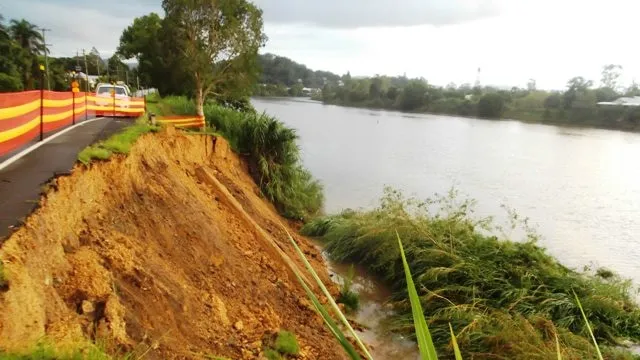
Flooding and erosion are natural processes that affect rivers and surrounding landscapes across the globe. In recent times, riverbank collapse Iford Playing Fields has drawn attention due to its impact on local residents, recreational areas, and the environment. This article explores the causes, consequences, and preventive measures associated with riverbank collapses at this location, emphasizing why understanding and managing riverbanks is critical.
What is Riverbank Collapse?
Riverbank collapse, also known as riverbank failure or bank erosion, occurs when the soil, vegetation, and structural integrity of a riverbank are weakened, causing parts of it to slump or fall into the water. This natural process is often accelerated by:
- Heavy rainfall
- Rapid river flow
- Saturated soil conditions
- Human activities that destabilize the banks
At Iford Playing Fields, the riverbank collapse has raised concerns because it directly affects public spaces used for sports, recreation, and community events. The river bordering these fields is prone to fluctuations in water level, making nearby banks vulnerable to sudden failure.
The Geography of Iford Playing Fields and Its Riverbank
Iford Playing Fields, located in the Bournemouth and Christchurch area of Dorset, is a popular community space. The fields are bordered by the River Stour, which has a long history of flooding and erosion. The combination of clay-rich soil, river meanders, and occasional heavy rainfall creates conditions where riverbank collapse is more likely to occur.
The location of the playing fields near low-lying riverbanks makes them particularly vulnerable. The soil absorbs water quickly during storms, which saturates the bank and reduces its stability. Over time, the repeated cycles of wetting and drying weaken the soil, and eventually, sections of the bank can give way, leading to collapse.
Causes of Riverbank Collapse Iford Playing Fields
Understanding why riverbank collapse Iford Playing Fields occurs is essential for preventing future incidents. There are several key factors that contribute to bank failure:
Heavy Rainfall and Flooding
Rainfall intensity directly impacts riverbank stability. During periods of heavy rain, the River Stour can rise rapidly, increasing hydraulic pressure on the banks. Saturated soil loses cohesion, making it unable to support its own weight. This often results in sections of the riverbank slumping into the water.
Soil Composition
The soil along the riverbank at Iford Playing Fields is predominantly clay, which retains water but becomes highly unstable when saturated. Clay soils shrink and crack during dry periods and expand during wet periods, creating stress that weakens the bank over time.
Erosion from River Flow
Continuous river flow erodes the base of the bank, a process known as undercutting. When the base is eroded faster than the top can support itself, sections of the bank collapse. Fast-flowing water during flood events exacerbates this erosion.
Vegetation Loss
Vegetation plays a vital role in stabilizing riverbanks. Roots bind soil together, reducing the risk of slippage. However, if vegetation is removed due to human activity or natural causes, the bank becomes more prone to collapse. At Iford Playing Fields, areas where trees or shrubs have been removed have experienced increased instability.
Human Activity
Construction, footpaths, and recreational use near the riverbank can weaken its structure. Heavy machinery, repeated foot traffic, or improper landscaping may compromise the integrity of the soil and accelerate collapse.
Signs of Potential Riverbank Collapse
Residents and authorities monitoring Iford Playing Fields should watch for warning signs of bank instability, including:
- Cracks along the top edge of the bank
- Tilting trees or leaning poles near the river
- Sudden slumping or small landslides
- Erosion at the base of the bank
- Unusual pooling of water near the bank
Early detection allows preventive measures to be implemented before a major collapse occurs.
Impact of Riverbank Collapse on Iford Playing Fields
The consequences of riverbank collapse are both environmental and social. The effects at Iford Playing Fields have been observed in several areas:
Environmental Impact
When a riverbank collapses, soil and debris enter the river, altering water quality and sediment levels. This can affect aquatic habitats, disrupt fish populations, and reduce biodiversity. Collapsed banks may also remove vegetation that protects the ecosystem.
Impact on Recreation
Iford Playing Fields serves as a recreational space for local residents, sports teams, and schools. Riverbank collapse can make certain areas unsafe, limiting access and use. Damaged banks may also require temporary closure of fields to protect public safety.
Property and Infrastructure Risk
Nearby homes and infrastructure can be at risk if bank collapse progresses. Erosion may extend toward walkways, parking areas, or river-adjacent structures. In extreme cases, severe flooding can damage buildings and necessitate emergency interventions.
Safety Concerns
Fallen trees, mudslides, or sudden riverbank slippage create hazards for anyone near the water. Children, sports players, and visitors are at risk of injury if the bank collapses unexpectedly.
Preventing Riverbank Collapse
While natural processes cannot be fully stopped, steps can be taken to mitigate the risk of riverbank collapse Iford Playing Fields. Effective prevention includes:
Riverbank Reinforcement
Strengthening the bank with natural or engineered solutions helps reduce collapse risk. Techniques include:
- Riprap: Layering rocks at the base of the bank to prevent undercutting
- Gabions: Wire cages filled with stones to stabilize slopes
- Geotextiles: Fabric barriers that support soil and reduce erosion
Vegetation Restoration
Planting deep-rooted native trees and shrubs stabilizes soil. Reforestation along the riverbank not only reduces erosion but also improves biodiversity and water quality.
Controlled Access
Limiting foot traffic and heavy equipment near vulnerable banks reduces soil compaction and disturbance. Clearly marked pathways and educational signage help visitors understand risks.
Regular Monitoring
Authorities can monitor river levels, soil stability, and erosion patterns using drones, sensors, and on-site inspections. Early detection of potential collapse allows for timely intervention.
Flood Management
Managing upstream water flow through floodplains, levees, and controlled drainage can reduce the pressure on riverbanks during heavy rain events. Reducing peak flow helps maintain bank integrity.
Case Studies and Lessons Learned
Similar riverbank collapses in the UK provide insight into effective management:
- The River Stour has experienced multiple bank failures in Dorset, highlighting the importance of combining vegetation, engineering solutions, and community awareness.
- The Thames Riverbank Restoration Project demonstrates how stabilizing banks with both natural and artificial methods can protect recreational spaces without compromising environmental value.
These examples reinforce that proactive management is more cost-effective and safer than responding to collapse after it occurs.
Community Involvement and Awareness
Residents and local organizations play a crucial role in monitoring and maintaining the safety of Iford Playing Fields. Community initiatives can include:
- Volunteering to plant vegetation along riverbanks
- Reporting signs of erosion or collapse to authorities
- Participating in flood preparedness programs
- Educating local youth about the importance of riverbank conservation
Engaged communities ensure that preventive measures are maintained and risks are minimized.
The Role of Local Authorities
The Bournemouth, Christchurch, and Poole Council, along with the Environment Agency, is responsible for managing flood risk and riverbank stability. Actions include:
- Issuing flood warnings and evacuation advice
- Conducting structural assessments of riverbanks
- Implementing reinforcement projects
- Coordinating emergency responses during flood events
For Iford Playing Fields, collaboration between local authorities, environmental groups, and residents is essential to maintain both safety and public access.
Preparing for Future Riverbank Collapse
With climate change increasing the frequency of extreme rainfall events, proactive strategies are necessary. Preparing for future riverbank collapse involves:
- Updating flood risk maps and monitoring data
- Designing resilient infrastructure near rivers
- Encouraging sustainable land use in floodplains
- Investing in long-term bank stabilization projects
These steps ensure that public spaces like Iford Playing Fields remain safe and usable for generations to come.
Conclusion
The riverbank collapse Iford Playing Fields serves as a reminder of the dynamic interaction between natural forces and human activity. Understanding the causes, monitoring risk factors, and implementing preventive measures are crucial for protecting the environment, community spaces, and public safety. Through combined efforts from local authorities, residents, and environmental organizations, riverbank collapses can be managed effectively, ensuring that Iford Playing Fields remains a vibrant and safe recreational area for everyone.