
Heating and comfort have always been essential to human living conditions. As we delve into the past, the innovations of ancient civilizations reveal ingenious solutions to these challenges. Among them, the Romans were particularly advanced, developing systems that would shape future technologies. For instance, the innovation seen in the history of Roman heated floors reflects their mastery in creating comfort through technology.
Roman Hypocaust Systems
The Romans were pioneers in central heating, with the hypocaust system being one of their most remarkable achievements. This system involved raising the floor on pillars and allowing hot air from a furnace to circulate underneath. The heated air would warm the tiles of the floor, providing a comfortable temperature even in the chill of winter. Wealthy Roman villas were often equipped with this technology, showcasing both luxury and engineering prowess.
The implementation of hypocausts was not limited to private homes. Public baths, or thermae, widely used these systems to keep water and air warm. These communal bathhouses were social and cultural centers, and maintaining a pleasant temperature was vital for their function. The architectural designs of the baths also incorporated sophisticated air flow systems to regulate humidity and temperature.
Despite the sophistication, hypocaust systems had limitations, such as high fuel requirements, making them accessible primarily to the affluent class. However, their existence marked a significant advancement in building technology and comfort, influencing future architectural designs throughout Europe and beyond.
Persian Wind Catchers
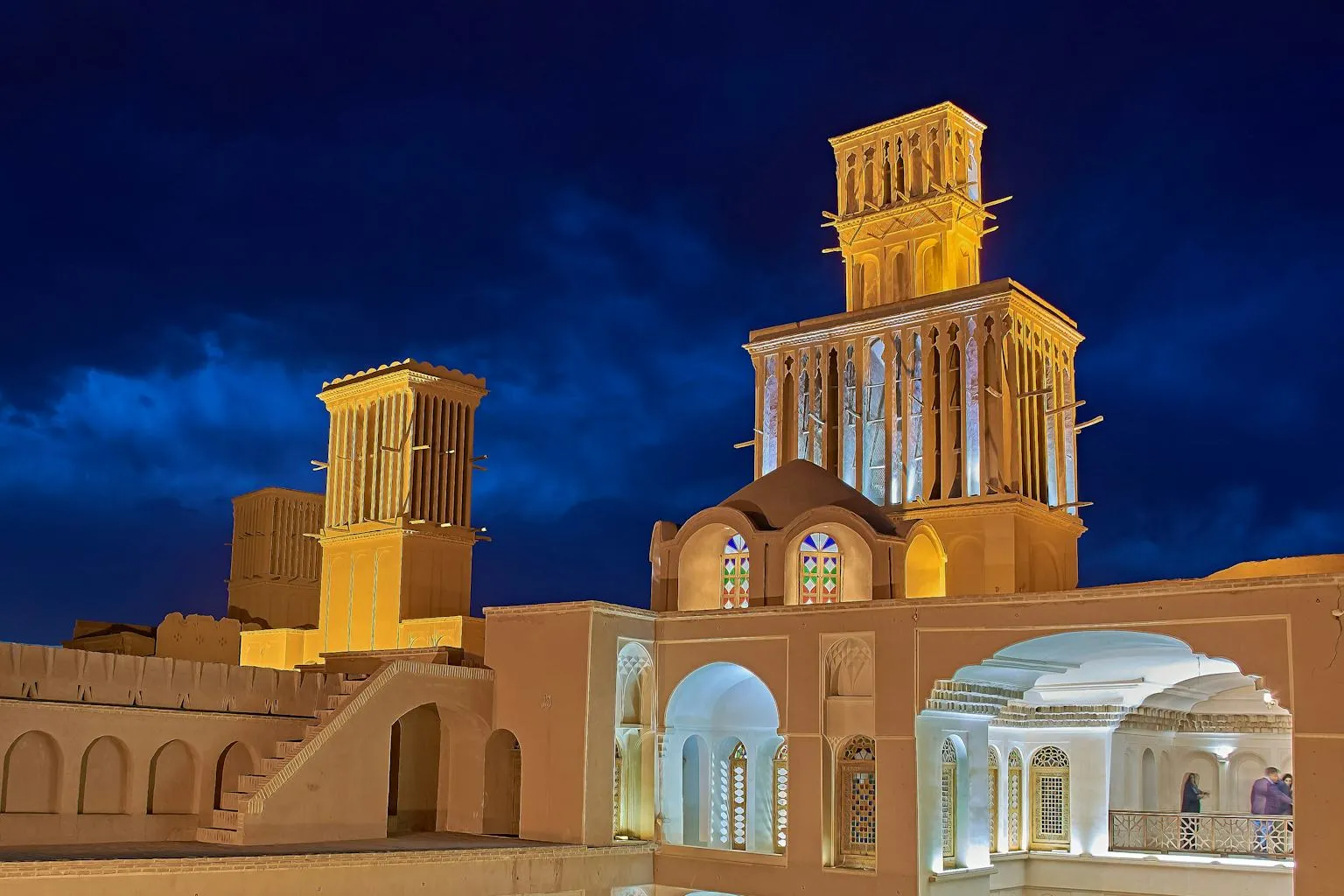
While the Romans focused on heating, ancient Persians developed technologies to combat the searing heat of their desert environment. The wind catcher, or badgir, is an architectural element designed to cool buildings naturally. These tall, tower-like structures harness the wind at higher altitudes and guide it down into the building, providing a natural ventilation system.
Wind catchers were often combined with underground channels called qanats. The incoming air would pass over water in the qanats, cooling further before entering living spaces. This system not only lowered indoor temperatures but also helped in maintaining a comfortable humidity level. Persian architects were skilled at adapting these systems to urban and rural environments, using local materials and knowledge of climatic conditions.
The elegance of this technology lies in its simplicity and sustainability. By using the natural environment for cooling, the Persians reduced reliance on external energy sources. Modern architects draw inspiration from these systems to create environmentally friendly and energy-efficient buildings.
Chinese Kang Beds
In ancient China, the kang bed-stove was an essential household feature in the colder northern regions. This heated platform served dual functions: a place to sleep and a cooking stove. Constructed from bricks, the kang was heated by a fire beneath, ensuring warmth throughout the night. Smoke and gases generated from the fire would be vented through a chimney, maintaining indoor air quality.
The kang’s design was tailored to the needs of the family, providing a communal space for eating, sleeping, and working. Its efficiency in fuel use was notable, with the same fire used for cooking and heating. This multi-functionality made the kang an integral part of daily life, reflecting the adaptability of ancient Chinese engineering.
The significance of the kang system goes beyond its practical benefits. It highlights the cultural importance of communal living and resourcefulness in utilizing available materials. Although modern heating systems have replaced many traditional kangs, they remain an important cultural symbol in China.
Greek Hypocaust Innovations
The Greeks, like the Romans, understood the value of heated spaces, especially in their bathing facilities. Adapted from the Romans, Greek hypocaust systems were used in public baths and some private homes. They employed a similar methodology by circulating hot air through spaces beneath the floors to maintain warmth.
Greek architects improved upon Roman designs, optimizing the flow of heat and minimizing fuel consumption. This not only made the systems more efficient but also more accessible to a broader segment of the population. The integration of hypocausts into public buildings reflects the Greeks’ commitment to civic welfare and public health.
The influence of Greek hypocaust systems extended into the Byzantine Empire and beyond, demonstrating their lasting impact. Innovations made by Greek engineers laid the groundwork for modern central heating systems, showcasing their forward-thinking approach to comfort.
Inca Thermal Strategies
In the high-altitude regions of the Andes, the Incas faced unique challenges in maintaining warmth. They developed several strategies to address these issues, including the construction of thick stone walls for insulation. These walls helped retain heat, particularly in the cooler evening temperatures.
Inca architecture often incorporated large windows strategically positioned to maximize sunlight exposure. This passive solar heating technique was crucial for maintaining warmth throughout the day. The use of terraces also allowed for the trapping and redirection of warm air within living areas.
These strategies reflect the Incas’ deep understanding of their environment and their ability to adapt their building techniques accordingly. Their innovations provide valuable lessons in sustainable architecture, relevant to contemporary efforts in eco-design.
Related article: Future of Wellness and Modern Lifestyle
Egyptian Nilometers
Although primarily used for measuring the Nile’s flood levels, nilometers also played a role in managing temperatures within structures. By understanding and predicting the behavior of the Nile, ancient Egyptians could design storage and living spaces that took advantage of seasonal changes in temperature and humidity.
The insights gained from nilometers informed the placement and orientation of buildings. Structures were often designed to maximize ventilation during hot months and to minimize exposure during cooler seasons. This understanding of natural patterns underscores the Egyptians’ ability to achieve a comfortable indoor climate.
Egyptian nilometers highlight how multifaceted solutions addressed various aspects of life, including comfort. This holistic approach ensured the sustenance of society, showcasing the ingenuity and adaptability of ancient Egyptian civilization.
Indus Valley Urban Planning
The Indus Valley civilization demonstrated advanced urban planning, which included considerations for heating and cooling. Their cities, like Mohenjo-Daro and Harappa, were built with a keen understanding of geography and climate. The grid layout of streets was designed to optimize airflow and natural light in residential areas.
Houses were constructed with thick walls for insulation against heat and cold, and many had flat roofs that could be used for additional living space. The strategic placement of water wells and drainage systems further enhanced the livability of these ancient cities, maintaining hygiene and comfort.
These ancient urban designs reflect the Indus peoples’ sophisticated approach to creating sustainable living environments. The emphasis on planning and resource management continued to influence urban development long after the civilization declined.
Frequently Asked Questions
How did ancient Romans heat their homes?
The Romans used hypocaust systems to heat their homes. This involved raising floors on pillars and circulating hot air underneath from a furnace, effectively warming the room.
What were wind catchers used for in Persia?
Wind catchers, or badgirs, were used in Persia to cool indoor spaces. These structures captured wind at higher altitudes and directed it downwards, providing natural ventilation.
Why were kang beds significant in ancient China?
Kang beds were significant due to their multifunctionality. They provided both heating and a place for communal activities, efficiently using fuel to warm homes in colder regions.
Did the Greeks use similar heating systems as the Romans?
Yes, the Greeks adapted the Roman hypocaust system for their public baths and some homes. They further optimized these systems for better efficiency and accessibility.
How did the Incas keep their homes warm?
The Incas used thick stone walls and passive solar heating techniques to maintain warmth. They strategically placed windows to capture sunlight and retained heat within their homes.
Conclusion
Exploring the solutions of ancient civilizations to heating and comfort challenges offers valuable insights into human innovation and adaptability. From the Roman hypocausts to Persian wind catchers, each civilization utilized local resources and environmental understanding to create comfortable living conditions.
These historical solutions continue to inspire modern innovations in sustainable architecture and energy efficiency. By learning from the past, we can develop technologies that harmonize with nature, ensuring comfort while preserving resources for future generations.