
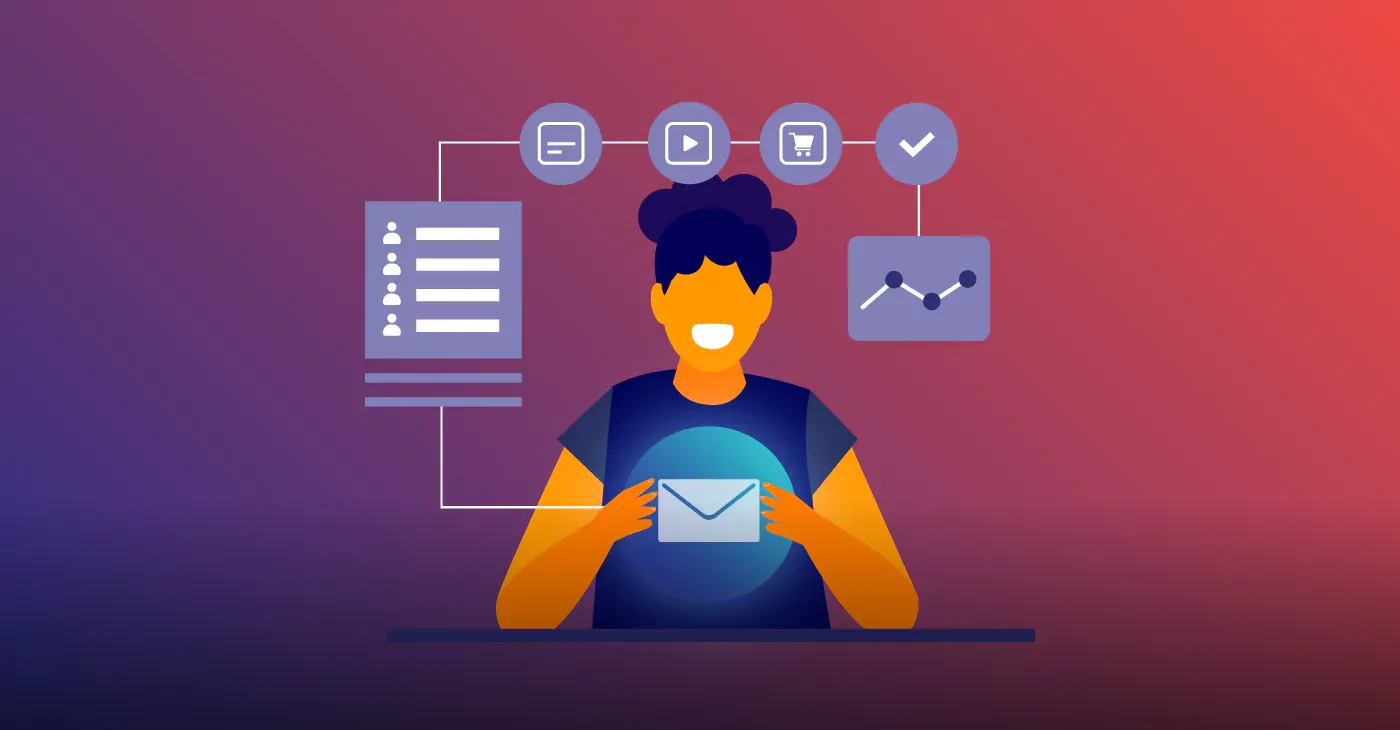
People still say newsletters are dying. You hear it often. Open rates drop. Unsubscribes rise. Attention spans shrink. Yet inboxes are not empty. They are selective.
What failed was the old habit of sending the same message to everyone and hoping it sticks. What works today is email that feels written for one person. When email respects intent, timing, and relevance, it still brings steady traffic and sales, especially for small businesses.
Why traditional newsletters stopped working
A generic newsletter treats all subscribers the same. A first time visitor gets the same email as a loyal buyer. A local customer sees offers meant for a global audience. This creates friction.
Inbox providers notice this behavior. When people ignore or delete emails, delivery drops. When they engage, trust builds. The shift is not about email fading away. It is about audience expectations changing.
You expect brands to know what you care about. You expect messages to reflect your actions. If they do not, you scroll past.
Personalization is not a slang anymore
Personalized email marketing surpasses using a first name. It starts with understanding why someone joined your list.
- Did they download a guide?
- Did they browse pricing pages?
- Did they abandon a cart?
Each action tells a story. When emails follow that story, engagement rises. A small bakery sending recipes to home bakers and discount reminders to nearby customers sees different results from each group. One list. Two clear paths.
This is where email marketing for small business gains an edge. You do not need massive data. You need clean signals and thoughtful timing.
Segmentation creates relevance at scale
Segmentation sounds complex, yet it often starts simple.
Group subscribers by:
- How they joined your list
- Pages they visited
- Products they bought
- Location or service interest
A fitness coach sending beginner plans to new subscribers and progress tips to long term clients keeps both engaged. The message fits the moment.
This approach also protects your sender reputation. When emails feel relevant, people open them. That signals inbox providers that your content matters.
Automation supports human intent
Automation does not remove the human touch. It protects it.
A welcome email sent minutes after signup feels timely. A follow up email sent days after a product view feels helpful. A reminder sent after inactivity feels thoughtful when written right.
For small businesses, platforms that explain these flows clearly save time and prevent mistakes. Resources like SocialWick break down email marketing for small businesses in a way that focuses on outcomes, not jargon. When guidance stays practical, teams act with confidence.
Email still drives measurable traffic
Search engines reward brands that keep users engaged across channels. Email supports this loop.
When subscribers return to your site through relevant emails, session time improves. Pages per visit increase. Brand searches rise. These signals support long term SEO growth.
Data from HubSpot and Campaign Monitor shows segmented email campaigns earn higher open rates and stronger click behavior than broad sends. This is not theory. It is pattern driven behavior.
Email also supports content distribution. A focused email can revive a blog post weeks after publishing, reaching people who already trust you.
Small businesses win through focus
Large brands chase volume. Small businesses win through relevance.
You can speak directly to your audience. You can adjust tone without layers of approval. Personalized email marketing turns these strengths into traffic.
If you want a grounded starting point, platforms like SocialWick explain how email marketing for small business connects list growth, segmentation, and content intent without pushing unnecessary tools.
What matters going forward
Newsletters did not die. Careless messaging did.
Email still works when you respect attention, context, and timing. When every send has a clear reason, readers notice. When readers engage, search engines notice too.
The inbox is still open. You just need to knock with the right message.
Disclaimer
This article is for informational and educational purposes only. Email marketing results may vary based on audience behavior, industry, and platform policies. References to tools or platforms are not endorsements or guarantees of performance. Businesses should evaluate strategies based on their own goals and compliance requirements.