
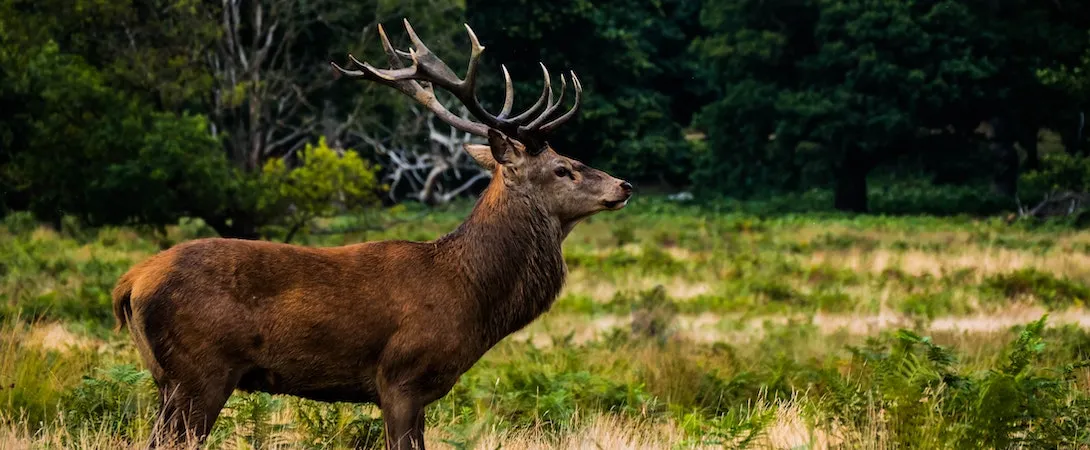
Wildlife management plays a crucial role in maintaining ecological balance, protecting biodiversity, and ensuring sustainable interaction between humans and nature. In Norway, one of the most important local institutions responsible for wildlife governance is viltnemnda. Although not widely discussed outside Scandinavia, viltnemnda holds a central position in managing wild animal populations, regulating hunting practices, and advising local authorities on environmental decisions.
What Is Viltnemnda?
Viltnemnda is a municipal wildlife committee in Norway, established to manage and oversee matters related to wild animals and hunting at the local level. Each municipality typically has its own viltnemnda, appointed by the municipal council.
The committee acts as a bridge between national wildlife policies and local environmental realities. By combining local knowledge with national regulations, viltnemnda ensures that wildlife management decisions are practical, sustainable, and legally compliant.
Historical Background of Viltnemnda
The creation of viltnemnda is closely linked to Norway’s long-standing relationship with nature and wildlife. Hunting, fishing, and land use have historically been integral to Norwegian culture and survival. As populations grew and land use intensified, the need for structured wildlife management became evident.
To prevent overhunting, reduce conflicts between humans and animals, and protect endangered species, the Norwegian government introduced local wildlife committees. Over time, viltnemnda evolved into a formal advisory and administrative body operating within the framework of national environmental laws.
Structure and Composition of Viltnemnda
Viltnemnda is typically composed of members appointed by the local municipal council. These members often include individuals with experience or interest in:
- Wildlife and nature conservation
- Hunting and game management
- Agriculture and forestry
- Environmental planning
The size and composition of viltnemnda may vary depending on the municipality, but the goal remains the same: to ensure balanced representation and informed decision-making.
Members usually serve for a fixed term, during which they collaborate closely with municipal authorities, landowners, hunters, and environmental agencies.
Main Responsibilities of Viltnemnda
The responsibilities of viltnemnda are broad and impactful. Below are the key areas in which the committee operates.
Wildlife Population Management
One of the primary tasks of viltnemnda is monitoring and managing wildlife populations. This includes assessing the numbers and health of species such as moose, deer, roe deer, and other game animals.
By analyzing population data, viltnemnda helps prevent overpopulation, which can lead to habitat damage, traffic accidents, and agricultural losses.
Hunting Regulation and Quotas
Viltnemnda plays an advisory role in setting hunting quotas and seasons. Based on population assessments and national guidelines, the committee recommends how many animals may be hunted in a given season.
This ensures that hunting remains sustainable and does not threaten long-term species survival.
Human–Wildlife Conflict Management
Conflicts between humans and wildlife are inevitable, especially in rural and semi-urban areas. Viltnemnda helps address issues such as crop damage, livestock predation, and wildlife-related traffic accidents.
The committee may recommend preventive measures, compensation schemes, or population control strategies to reduce such conflicts.
Advisory Role to Municipal Authorities
Viltnemnda serves as an expert advisory body for the municipality. When local governments make decisions related to land use, infrastructure development, or environmental planning, the committee provides insights on how these actions may affect wildlife.
This advisory role helps integrate environmental considerations into broader municipal planning.
Legal Framework Governing Viltnemnda
Viltnemnda operates under Norwegian wildlife and environmental legislation, primarily guided by national laws and regulations. These laws define the committee’s authority, responsibilities, and limitations.
The legal framework ensures that viltnemnda’s actions align with national conservation goals while allowing flexibility for local adaptation. Transparency and accountability are central principles, and decisions must be well-documented and justified.
Viltnemnda and Sustainable Hunting
Hunting is deeply rooted in Norwegian culture, but sustainability is key. Viltnemnda plays a critical role in ensuring that hunting practices respect ecological limits.
By promoting ethical hunting, accurate reporting, and compliance with regulations, the committee helps preserve wildlife populations for future generations. It also supports education and awareness among hunters regarding conservation responsibilities.
Importance of Local Knowledge
One of the greatest strengths of viltnemnda is its reliance on local knowledge. Members often have firsthand experience with local ecosystems, seasonal patterns, and wildlife behavior.
This local insight complements scientific data and national policies, resulting in more effective and realistic wildlife management strategies.
Challenges Faced by Viltnemnda
Despite its importance, viltnemnda faces several challenges in fulfilling its role effectively.
Balancing Interests
Viltnemnda must balance the interests of hunters, farmers, conservationists, and the general public. These groups may have conflicting priorities, making consensus-building a complex task.
Climate Change
Climate change is altering habitats, migration patterns, and species behavior. Viltnemnda must adapt management strategies to address these evolving challenges.
Resource Limitations
In some municipalities, limited funding and manpower can restrict the committee’s ability to conduct thorough monitoring and enforcement.
Viltnemnda in Modern Environmental Policy
As environmental awareness grows, viltnemnda’s role becomes even more significant. Biodiversity protection, ecosystem resilience, and sustainable land use are now central policy goals.
Viltnemnda contributes to these objectives by ensuring that wildlife considerations are not overlooked in local decision-making.
Cooperation With Other Institutions
Viltnemnda does not operate in isolation. It collaborates with:
- National environmental agencies
- Local law enforcement
- Research institutions
- Neighboring municipalities
This cooperation enhances data sharing, policy consistency, and overall effectiveness.
Public Engagement and Education
Public understanding and support are essential for successful wildlife management. Viltnemnda often participates in public meetings, consultations, and information campaigns to explain decisions and gather feedback.
By fostering transparency and dialogue, the committee builds trust within the community.
The Future of Viltnemnda
Looking ahead, viltnemnda is likely to become even more important as environmental pressures increase. Advances in technology, such as digital monitoring tools and data analytics, may enhance decision-making.
Future priorities may include stronger biodiversity protection, improved conflict prevention, and greater integration of climate considerations into wildlife management.
Why Viltnemnda Matters
Viltnemnda represents a practical and community-based approach to wildlife governance. By combining national policy with local expertise, it ensures that wildlife management is both effective and sustainable.
Its work impacts ecosystems, rural livelihoods, road safety, and cultural traditions, making it a vital institution within Norwegian society.
Conclusion
Viltnemnda is far more than a local committee—it is a cornerstone of Norway’s wildlife management system. Through population monitoring, hunting regulation, conflict resolution, and advisory work, viltnemnda helps maintain balance between humans and nature.
As environmental challenges grow more complex, the importance of informed, local, and responsible wildlife governance will only increase. Viltnemnda stands as a strong example of how community-level institutions can contribute meaningfully to long-term environmental sustainability.