
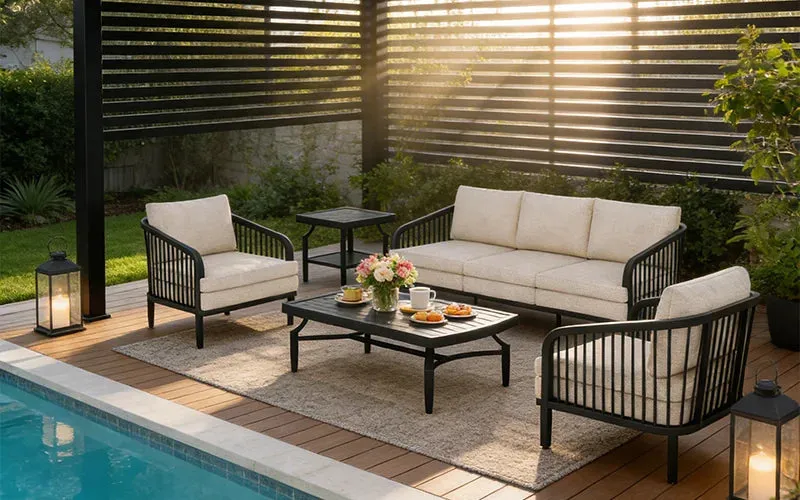
Markiseteppe is a term that originates from Scandinavian languages, especially Norwegian and Danish, where it combines the ideas of shade and textile comfort. In simple terms, Markiseteppe refers to a specially designed outdoor fabric used primarily in awnings and shaded exterior areas. Unlike ordinary indoor textiles, this material is engineered to perform under constant exposure to sunlight, wind, moisture, and temperature changes. Over time, the meaning of Markiseteppe has expanded beyond a technical description to represent a lifestyle element associated with comfortable, functional, and visually appealing outdoor spaces.
The popularity of Markiseteppe has grown alongside modern outdoor living trends. As homes, cafés, and commercial spaces increasingly focus on terraces, balconies, and open-air seating areas, the demand for durable and attractive outdoor fabrics has risen. Markiseteppe answers this need by combining strength with design, making it an essential component in both residential and commercial environments.
The Evolution of Markiseteppe in Outdoor Design
Historically, awnings were simple protective structures made from basic canvas materials. Their primary purpose was to block direct sunlight and provide minimal shelter from rain. As architectural styles evolved and outdoor living became more refined, the materials used for awnings also improved. Markiseteppe emerged as a response to the need for fabrics that could last longer, look better, and perform reliably in changing weather conditions.
In Scandinavian countries, where seasonal contrasts are strong, Markiseteppe became especially important. Summers can bring long daylight hours and strong sunlight, while other seasons introduce moisture and cooler temperatures. The fabric had to be adaptable, resistant, and easy to maintain. Over time, manufacturers refined weaving techniques, dyeing processes, and protective coatings, transforming Markiseteppe into a high-performance outdoor textile rather than a simple covering.
What Makes Markiseteppe Different from Regular Fabric
The defining feature of Markiseteppe is its purpose-built construction. Ordinary fabrics are not designed to handle prolonged outdoor exposure. They fade quickly, absorb moisture, and degrade under ultraviolet radiation. Markiseteppe, on the other hand, is created with outdoor performance as its core requirement.
The fibers used in Markiseteppe are selected for their strength and stability. Many are solution-dyed, meaning the color is embedded into the fiber itself rather than applied afterward. This process significantly reduces fading and ensures that the fabric maintains its appearance for years. In addition, the structure of Markiseteppe allows for controlled airflow, which helps reduce heat buildup under awnings while still offering effective shade.
Common Materials Used in Markiseteppe
The materials used in Markiseteppe play a crucial role in its durability and comfort. Acrylic is one of the most widely used fibers because it offers excellent resistance to UV rays and weathering. Acrylic-based Markiseteppe maintains color vibrancy and texture even after long exposure to sunlight.
Polyester is another common material, often combined with protective coatings. Polyester Markiseteppe is known for its strength and flexibility, making it suitable for retractable awnings and dynamic installations. Some variations include PVC or polyurethane coatings, which enhance water resistance and make cleaning easier.
In certain applications, blended fabrics are used to balance softness, strength, and cost. These blends allow manufacturers to tailor Markiseteppe for specific climates or usage scenarios, such as coastal areas where salt air can be a concern or urban settings with higher pollution levels.
How Markiseteppe Enhances Outdoor Comfort
One of the main reasons people choose Markiseteppe is the comfort it provides. By filtering sunlight rather than completely blocking it, the fabric creates a pleasant shaded environment. This reduces glare and heat without making the space feel dark or enclosed. The result is an outdoor area that remains usable even during the hottest parts of the day.
Markiseteppe also contributes to thermal comfort inside buildings. When installed over windows or glass doors, it reduces the amount of heat entering the interior. This can lead to lower indoor temperatures and reduced reliance on air conditioning, making Markiseteppe both a comfort-enhancing and energy-conscious choice.
The Role of Markiseteppe in Modern Architecture
In contemporary architecture, outdoor spaces are no longer treated as secondary areas. Terraces, balconies, and outdoor dining zones are carefully designed extensions of indoor living spaces. Markiseteppe plays a key role in this transition by acting as a visual and functional bridge between inside and outside.
Architects and designers often select Markiseteppe based on color, texture, and pattern to complement the overall design of a building. Neutral tones create a minimalist look, while striped or bold designs can add character and movement to façades. Because Markiseteppe is available in a wide range of styles, it allows for creative freedom without compromising performance.
Markiseteppe in Residential Applications
In homes, Markiseteppe is most commonly used on balconies, patios, and garden seating areas. It transforms these spaces into comfortable outdoor rooms that can be enjoyed throughout the day. Homeowners appreciate the balance it offers between protection and openness, allowing them to enjoy fresh air while staying shielded from harsh sunlight.
Markiseteppe is also valued for its contribution to privacy. When extended, it can reduce visibility from neighboring buildings or streets, creating a more intimate outdoor environment. This makes it particularly appealing in urban settings where outdoor privacy is limited.
Commercial Uses of Markiseteppe
In commercial settings, Markiseteppe is more than just a functional element; it becomes part of a brand’s identity. Cafés, restaurants, and retail stores use awnings with Markiseteppe to create inviting outdoor areas that attract customers. The fabric can be customized with specific colors or patterns that align with branding, reinforcing visual recognition.
Durability is especially important in commercial use, as awnings are often extended for long hours each day. Markiseteppe is designed to withstand this level of use without losing its structural integrity or appearance. Its resistance to fading and wear ensures that businesses maintain a polished look over time.
Maintenance and Longevity of Markiseteppe
Proper maintenance is essential to maximize the lifespan of Markiseteppe, although it generally requires minimal effort compared to other outdoor textiles. Regular cleaning with mild soap and water helps remove dust and environmental residues. Because many Markiseteppe fabrics are treated to resist mold and mildew, they remain hygienic even in humid conditions.
Allowing the fabric to dry fully before retracting an awning is an important habit that prevents moisture-related issues. When cared for correctly, Markiseteppe can last many years while retaining its color, flexibility, and protective qualities. This long lifespan makes it a cost-effective investment despite its higher initial price compared to standard fabrics.
Environmental Considerations and Sustainability
As sustainability becomes a priority in construction and design, Markiseteppe manufacturers have responded by improving production processes. Many modern fabrics are produced using environmentally conscious dyeing methods that reduce water usage and chemical waste. The long lifespan of Markiseteppe also contributes to sustainability by reducing the need for frequent replacements.
Additionally, the energy-saving benefits of Markiseteppe should not be overlooked. By reducing heat gain inside buildings, it lowers energy consumption for cooling. This indirect environmental impact makes Markiseteppe an attractive choice for eco-conscious homeowners and businesses.
Choosing the Right Markiseteppe for Your Needs
Selecting the right Markiseteppe involves considering climate, usage, and aesthetic preferences. In areas with intense sunlight, fabrics with higher UV protection are essential. For regions with frequent rain, water-repellent properties become more important. The structure of the installation, whether fixed or retractable, also influences the choice of fabric.
Color selection is another important factor. Lighter colors reflect more sunlight and create a cooler shaded area, while darker tones offer stronger glare reduction and a more dramatic visual effect. Understanding these factors helps ensure that the chosen Markiseteppe performs well and enhances the intended space.
The Growing Popularity of Markiseteppe Worldwide
Although Markiseteppe has Scandinavian roots, its appeal has spread globally. As outdoor living becomes a central part of modern lifestyles, people across different climates and cultures recognize the value of high-quality awning fabrics. Markiseteppe has become synonymous with reliability, comfort, and refined outdoor design.
This global adoption has also driven innovation. Manufacturers continue to experiment with new materials, improved coatings, and advanced weaving techniques. As a result, Markiseteppe today represents a blend of tradition and modern technology, offering solutions that meet the demands of contemporary outdoor spaces.
Final Thoughts on Markiseteppe
Markiseteppe is more than just an awning fabric; it is a carefully engineered solution for enhancing outdoor living. Its durability, comfort, and design flexibility make it an essential element in both residential and commercial environments. By understanding its materials, benefits, and applications, it becomes clear why Markiseteppe holds such a strong position in the world of outdoor textiles.
Whether used to create a shaded balcony retreat, a welcoming café terrace, or an energy-efficient home exterior, Markiseteppe delivers long-term value. Its ability to combine function with aesthetics ensures that it will remain a preferred choice for outdoor shading and comfort for years to come.