
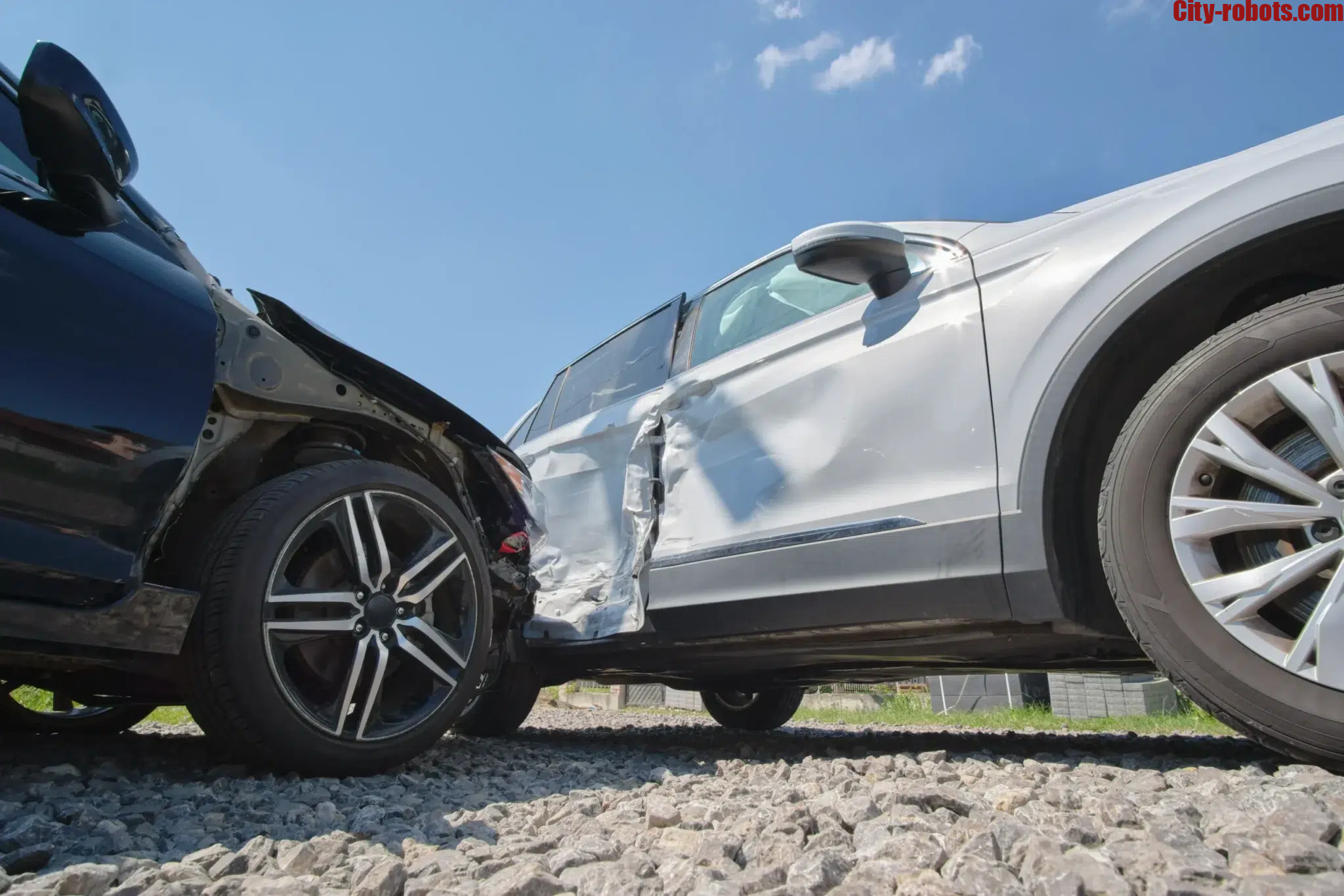
After a serious car accident, the drivers involved may provide sharply different accounts of what happened. One driver might insist they were traveling at a safe speed, applied the brakes immediately or had come to a complete stop. The other driver may remember an entirely different sequence of events.
Witness statements, photographs and police reports can help resolve these disputes, but many modern vehicles contain another potentially valuable source of evidence: an Event Data Recorder, commonly known as an EDR or vehicle “black box.”
An EDR can capture objective information about a vehicle’s operation shortly before and during a collision. Depending on the vehicle and recording system, the data may reveal speed, braking, throttle position, steering input, seatbelt use, airbag deployment and changes in velocity.
This electronic evidence can help establish how a crash occurred, test the accuracy of a driver’s story and strengthen an accident reconstruction. However, EDR data is not automatically available in every case, does not record every possible detail and generally requires a qualified professional to retrieve and interpret it correctly.
Quick Insights
- An Event Data Recorder may capture information from the seconds immediately before and during a crash.
- Available data can include vehicle speed, brake use, throttle position, seatbelt status and airbag deployment.
- EDR evidence may confirm or contradict statements made by drivers and witnesses.
- The data can help accident reconstruction professionals determine the sequence and severity of a collision.
- An EDR is not a continuous audio or video recorder and does not necessarily reveal everything that happened.
- Data may be overwritten, lost or destroyed if the vehicle is repaired, sold or scrapped.
- A preservation request should be sent as early as possible when EDR evidence may be important.
- Proper extraction procedures and expert analysis are essential to making the data useful in an insurance claim or lawsuit.
What Is an Event Data Recorder?
An Event Data Recorder is an electronic system within a vehicle that may store technical information when it detects a crash or qualifying event.
The term “black box” is borrowed from aviation, but a vehicle EDR is different from an airplane flight recorder. It generally does not continuously record conversations, video or a complete history of everywhere the vehicle has traveled.
According to the National Highway Traffic Safety Administration, an EDR may record information concerning pre-crash vehicle dynamics, driver inputs, the crash itself, restraint use or deployment, and certain post-crash systems.
The EDR is commonly associated with a vehicle’s airbag control module or another safety-related electronic control unit. When the vehicle experiences a qualifying impact or sudden change in motion, the system may preserve a limited snapshot of what the vehicle was doing immediately before and during the event.
The information available depends on factors including:
- The vehicle’s manufacturer
- The model and model year
- The type of crash
- Whether the event met the system’s recording threshold
- Whether the airbags deployed
- The EDR’s hardware and software
- Whether a prior event had already been stored
- Whether the data was later overwritten or damaged
An EDR should therefore be viewed as one source of technical evidence, not as a complete recording of the accident.
What Information Can an EDR Record?
The exact data elements vary from one vehicle to another. Depending on the system, an EDR may record:
- Vehicle speed
- Engine speed
- Brake application
- Accelerator or throttle position
- Steering input
- Anti-lock brake activity
- Stability-control activity
- Seatbelt use
- Airbag deployment
- The timing of airbag deployment
- Changes in velocity
- Occupant-position information
- Whether the ignition was on
- The number of recorded events
- The time between related impacts
Some systems preserve information from several seconds before the collision. This pre-crash window may show whether the vehicle was accelerating, maintaining speed, coasting or slowing before impact.
EDRs may also record the vehicle’s change in velocity during the crash. This measurement is frequently described as delta-v. Accident reconstruction and biomechanical professionals may consider delta-v alongside vehicle damage, impact direction, road evidence and other information when evaluating the collision.
NHTSA notes that EDR information can include pre-crash dynamics, driver inputs, the crash signature and restraint-system status.
How EDR Data Can Help Establish Fault
Liability in a car accident claim often depends on determining what each driver did immediately before the collision. EDR data may provide objective measurements that support or challenge the accounts given by the people involved.
Determining Vehicle Speed
Speed is frequently disputed after a collision.
A driver may claim to have been traveling at or below the speed limit even though the physical evidence suggests otherwise. When available, EDR data may show the vehicle’s recorded speed during the seconds before impact.
This information can help answer questions such as:
- Was the driver speeding?
- Did the vehicle slow before the crash?
- Was the driver accelerating toward the point of impact?
- Does the recorded speed match the damage and witness accounts?
- Did excessive speed leave insufficient time to react?
For example, if a driver claims they approached an intersection slowly but the EDR shows a high or increasing speed, the data may substantially weaken that account.
Showing Whether the Driver Applied the Brakes
A driver may claim that they reacted immediately and braked as hard as possible. EDR evidence may show whether the braking system registered an application before impact.
Brake data can be useful in cases involving:
- Rear-end collisions
- Pedestrian crashes
- Intersection accidents
- Highway pileups
- Alleged brake failure
- Distracted driving
- Sudden-emergency defenses
A lack of recorded brake input may support an argument that the driver was distracted, failed to notice traffic or did not react in time.
Brake data must nevertheless be interpreted carefully. An EDR entry does not necessarily establish how much force the driver applied, the mechanical condition of the brakes or whether the vehicle stopped as expected. Those issues may require a physical inspection and additional expert analysis.
Revealing Acceleration or Throttle Position
Throttle information may indicate whether a vehicle was accelerating or whether the driver had released the accelerator before impact.
This can be important when a driver claims:
- The vehicle accelerated on its own
- They confused the accelerator and brake pedals
- They were attempting to stop
- They were driving cautiously
- Another vehicle unexpectedly entered their path
Throttle position may also help investigators distinguish between deliberate acceleration, delayed reaction and possible mechanical or electronic problems.
Examining Seatbelt Use and Airbag Deployment
EDR information may document whether occupants were wearing seatbelts and whether or when airbags deployed.
Seatbelt data can become relevant when an insurance company argues that an injured occupant failed to use an available restraint. The legal effect of seatbelt use or nonuse differs by state, so the existence of the data does not automatically determine whether it is admissible or how it may affect compensation.
Airbag information may help establish the nature of the impact, the timing of safety-system activation and whether the restraint systems operated as expected.
Measuring the Crash’s Severity
Insurers sometimes describe an accident as a “minor impact” and contend that the collision could not have caused significant injuries.
EDR information concerning velocity changes and airbag deployment may help an expert evaluate the forces involved. Attorneys have used EDR data not only to investigate liability but also to analyze the severity and mechanics of an impact.
However, EDR data alone does not establish whether a particular person was injured or how severe the injury was. Injury causation depends on many factors, including:
- The occupant’s age and physical condition
- Seating position
- Impact direction
- Seatbelt use
- Airbag deployment
- Vehicle design
- Prior injuries or medical conditions
- The person’s movement within the vehicle
- The nature and timing of symptoms
Medical records and qualified medical opinions remain essential.
Using EDR Evidence to Challenge a False Account
Car accident claims sometimes become credibility disputes. A driver may offer an explanation that conflicts with the physical evidence but is difficult to disprove through testimony alone.
EDR evidence may help test claims such as:
- “I was completely stopped.”
- “I was driving under the speed limit.”
- “I slammed on the brakes.”
- “The car suddenly accelerated.”
- “My brakes failed.”
- “The other vehicle came out of nowhere.”
- “The impact was too minor to cause an injury.”
For instance, recorded speed may contradict a claim that the vehicle was stationary. Throttle data may undermine an assertion that the driver was braking. A lack of brake application may challenge a story that the driver made every reasonable effort to avoid the crash.
Legal practitioners also use EDR evidence to compare driver statements with physical damage, roadway marks, surveillance recordings and witness accounts.
The data can be persuasive because it does not depend on a driver’s memory. Nevertheless, it should not be described as automatically conclusive or infallible. The EDR must be correctly identified, preserved, downloaded and interpreted.
EDR Data and Accident Reconstruction
Accident reconstruction professionals analyze evidence to determine how and why a collision occurred.
An expert may compare EDR data with:
- Vehicle damage
- Crush measurements
- Skid or tire marks
- Debris patterns
- Roadway geometry
- Traffic-signal timing
- Photographs and video
- Witness statements
- Police measurements
- Weather and visibility
- Vehicle inspection findings
This combined analysis may help the expert determine:
- The vehicles’ approximate speeds
- Which driver reacted first
- Whether a driver had enough time to avoid the crash
- The point and angle of impact
- The sequence of multiple impacts
- Whether a vehicle was moving or stopped
- Whether the physical evidence matches the reported account
EDR information is especially helpful when incorporated into a broader reconstruction rather than considered in isolation. Accident reconstruction and other technical experts may be needed to explain electronic and physical evidence in motor-vehicle litigation.
Is EDR Evidence Always Accurate?
EDR evidence is often highly useful, but it is not necessarily perfect or self-explanatory.
Potential limitations include:
The Vehicle May Not Have Recorded the Event
Not every impact triggers a record. A low-speed collision or unusual type of event may not meet the vehicle’s recording threshold.
Different Vehicles Record Different Information
One vehicle may store several seconds of speed and braking data, while another may preserve fewer data elements.
The Data May Have Technical Limitations
Recorded values may be rounded, sampled at intervals or subject to manufacturer-specific tolerances. Speed information may also be affected by factors such as tire size, wheel slip or vehicle modifications.
The EDR Does Not Show the Entire Environment
An EDR generally does not reveal:
- The color of a traffic light
- The presence of a pedestrian
- Whether the driver was using a phone
- What another vehicle did
- Road or weather conditions
- A driver’s line of sight
- Conversations inside the vehicle
Those facts must be established through other evidence.
Data Can Be Misinterpreted
A raw report may contain technical abbreviations, graphs and values that require specialized knowledge. A person unfamiliar with the system could draw the wrong conclusion.
The System May Be Damaged
A severe fire, flood, impact or electrical failure may damage the module or make retrieval difficult.
For these reasons, EDR evidence is best treated as an objective but limited technical record that must be evaluated in context.
Who Owns or Controls EDR Data?
Access to EDR information can involve questions of vehicle ownership, consent, privacy and legal process.
The vehicle owner or another person with legal authority may need to consent to the download. When the opposing party controls the vehicle, an injured person may need to request the data through an insurer, a preservation demand, formal discovery, a subpoena or a court order.
The applicable process can depend on:
- State privacy laws
- Vehicle ownership
- The terms of an insurance policy
- Whether a lawsuit has been filed
- Whether law enforcement is investigating
- The reason for accessing the data
- The consent of the vehicle owner
A person should not attempt to access or alter another vehicle’s electronic system without proper authority.
Why EDR Evidence Must Be Preserved Quickly
One of the greatest challenges is ensuring that the vehicle and its data remain available.
After an accident, a damaged vehicle may be:
- Repaired
- Sold
- Transferred to an insurance company
- Moved to a salvage facility
- Dismantled for parts
- Destroyed
- Returned to a rental or fleet owner
A later collision, electrical event or repair may overwrite or alter stored information. Even when the data remains intact, losing track of the vehicle can make retrieval difficult.
An attorney may send a written preservation or spoliation notice to parties controlling the vehicle. The notice may demand preservation of:
- The entire vehicle
- The EDR or airbag-control module
- Electronic data
- Diagnostic information
- Maintenance records
- Photographs
- Inspection reports
- Infotainment or telematics data
- Dashcam recordings
Electronic evidence is becoming increasingly important in vehicle-accident investigations, making early preservation a critical consideration.
How Is EDR Data Downloaded?
EDR data is generally retrieved with specialized hardware and software designed to communicate with the vehicle or recording module.
Depending on the vehicle’s condition, a technician may retrieve the data through:
- The vehicle’s diagnostic port
- A direct connection to the module
- A manufacturer-specific system
- A crash-data retrieval tool
The technician should document the vehicle, module, equipment, software version and extraction process. Maintaining an appropriate chain of custody can be important when the data may be used in litigation.
The original downloaded file should be preserved, along with any generated report. Appropriate procedures reduce the risk of allegations that the information was altered, incomplete or improperly obtained.
NHTSA research has long recognized the use of specialized crash-data retrieval systems to download information stored in supported vehicles.
What Other Electronic Evidence May Be Available?
An EDR is only one potential source of digital evidence in a modern vehicle.
Depending on the case, additional information may exist in:
- Infotainment systems
- Navigation systems
- Telematics platforms
- Advanced driver-assistance systems
- Commercial fleet-management systems
- Dashcams
- Surround-view cameras
- Vehicle smartphone connections
- Manufacturer servers
- Insurance monitoring devices
- Mobile phones
- GPS applications
Newer vehicles may generate data concerning automated driving features, driver-assistance systems, lane position, collision warnings and other functions. Some commercial vehicles also use video event recorders that capture the roadway, the driver or both.
Each system has different retention periods and access procedures. The presence of an EDR should not prevent investigators from identifying other available electronic records.
How EDR Evidence May Affect an Insurance Claim
Strong EDR evidence may influence an insurance claim before a lawsuit is filed.
It can help:
- Establish that the insured driver was speeding
- Demonstrate a failure to brake
- Confirm that a vehicle was moving
- Refute an unsupported version of the crash
- Support an accident reconstruction
- Encourage an insurer to reconsider a liability denial
- Strengthen settlement negotiations
For example, an insurer may initially accept its policyholder’s statement that the claimant suddenly entered the roadway. If EDR data shows that the insured driver was speeding and never applied the brakes, the company may have difficulty maintaining the same liability position.
EDR evidence can also help a claimant evaluate weaknesses in their own case. If the data contradicts the claimant’s recollection, that issue should be identified before testimony or settlement discussions.
Can EDR Evidence Be Used in Court?
EDR evidence may be used in court when the party offering it satisfies the applicable rules concerning relevance, authenticity, reliability and expert testimony.
Possible disputes include:
- Whether the data was legally obtained
- Whether the correct vehicle and module were examined
- Whether the equipment was functioning properly
- Whether accepted download procedures were followed
- Whether the data was changed or corrupted
- Whether the expert is qualified
- Whether the expert’s interpretation is reliable
- Whether the information is relevant to a disputed issue
Courts and evidentiary rules differ by jurisdiction. Proper documentation and expert involvement can help establish a reliable foundation for admitting and explaining the evidence.
What Should You Do After a Crash?
A person involved in a serious collision can take several steps to protect potentially useful electronic evidence.
Photograph the Vehicles
Capture the license plates, vehicle identification information when available, damage, wheels, interior, dashboard and warning lights.
Identify Every Vehicle Owner
The driver may not own the vehicle. It could belong to an employer, rental company, family member or leasing business.
Ask Where the Vehicles Are Being Taken
Record the name and location of the towing company, repair shop or storage facility.
Avoid Altering Your Own Vehicle Prematurely
Before authorizing repairs or disposal, determine whether an inspection or EDR download may be necessary.
Preserve Other Evidence
Save dashcam footage, photographs, phone records, messages and correspondence with insurers.
Do Not Rely Only on the Police Report
A police report is important, but the responding officer may not download or analyze vehicle data.
Act Promptly
EDR information and other electronic evidence may be lost if preservation efforts are delayed.
EDR Data Can Bring Clarity to a Disputed Accident
Event Data Recorders can provide valuable objective evidence about what a vehicle was doing in the moments surrounding a crash. Speed, braking, acceleration, seatbelt and airbag information may help establish negligence, evaluate impact severity and test the accuracy of competing accounts.
The data is not a video of the accident, and it does not answer every question. Its value depends on the vehicle, the recorded event, the preservation process and the quality of the expert analysis.
When EDR evidence may be relevant, the vehicle should be located and preserved as early as possible. The data can then be considered alongside photographs, medical records, witness statements, roadway evidence and a complete accident reconstruction.
Used properly, an EDR can turn a difficult “word against word” dispute into a claim supported by measurable technical evidence.
This article is intended for general educational purposes and does not constitute legal advice. Laws governing vehicle data, privacy, evidence and personal injury claims vary by state. Anyone involved in a serious collision should consult a qualified attorney regarding the circumstances of the specific accident.