
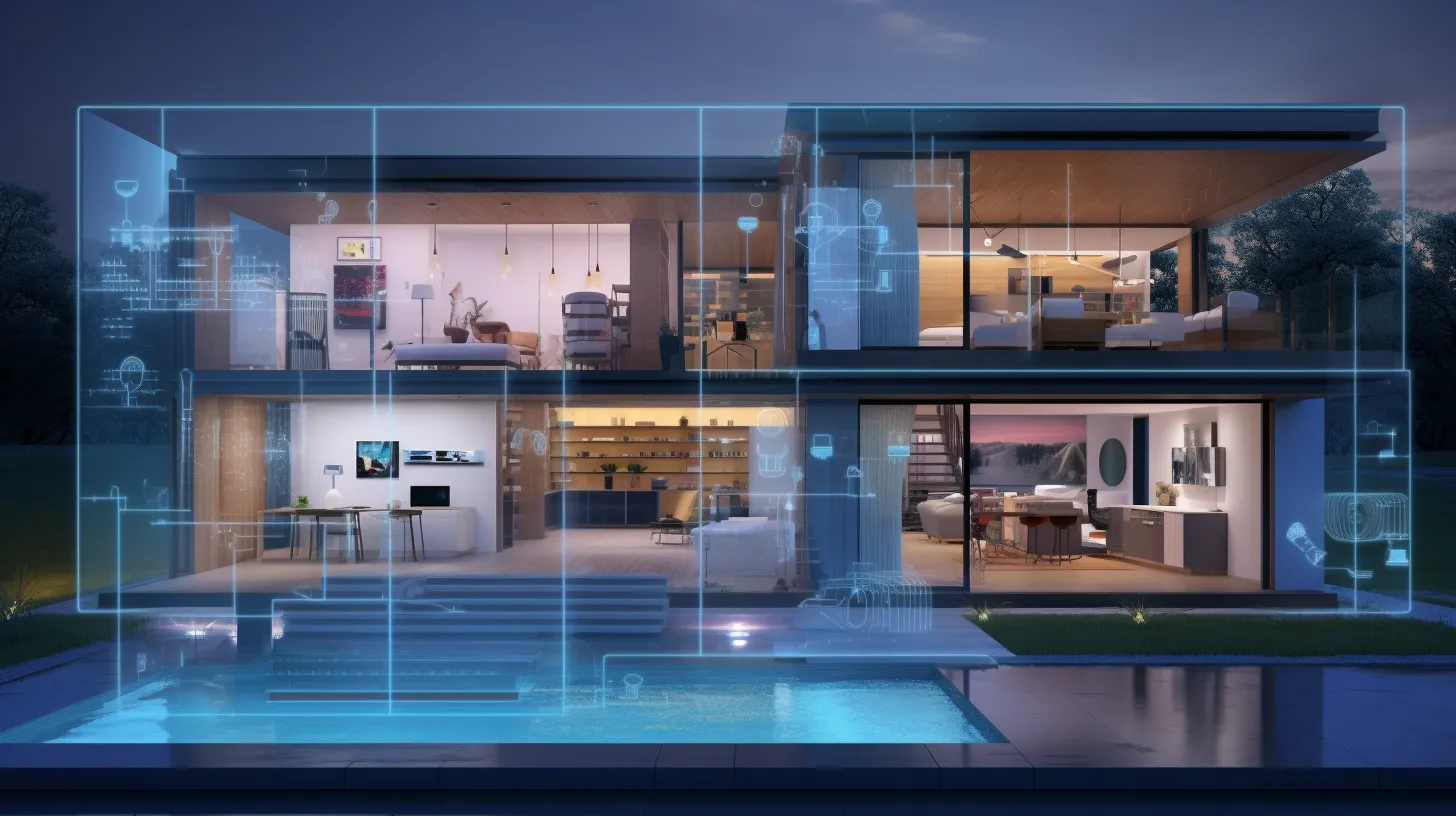
Intelligent Climate Control
Smart technology is redefining how we manage home climates through precise temperature control and customization. Innovations like smart thermostats allow homeowners to program heating and cooling schedules tailored to daily routines, thus increasing comfort and energy efficiency. By connecting to smartphone apps, these systems can be adjusted remotely, providing convenience and peace of mind.
Such technology learns from user habits, providing predictive temperature adjustments. This adaptability ensures continuous comfort without manual changes. The integration with home voice assistants further enhances usability, making adjustments as simple as a voice command.
Feeling chilly tiles during winter can be a discomfort. For that, consider solutions for chilly bathroom tile to enhance home comfort. Smart underfloor heating systems are also a viable addition, effectively warming hard surfaces like bathroom tiles.
Energy Efficiency and Resource Management
Energy-efficient homes are increasingly essential as utility costs rise and environmental awareness grows. Smart meters and smart plugs help manage electricity consumption by providing real-time data on energy usage. This transparency empowers users to identify high-consumption devices and make informed adjustments.
Smart lighting systems contribute significantly to energy conservation. By using LED technology and motion sensors, these systems ensure lights are only active when needed. Additionally, they can be scheduled or controlled via apps, reducing waste and lowering electricity bills.
Another resource-smart technology targets is water usage. Smart irrigation systems adapt to weather conditions, preventing unnecessary watering and conserving resources. These technologies combine to create a sustainable and comfortable living environment.
Home Security and Peace of Mind
Smart technology enhances home security through real-time monitoring and automated alerts. Devices such as smart cameras and video doorbells provide instant access to live feeds, allowing homeowners to check on their property anytime. These systems often include motion detection, sending alerts directly to your devices.
Smart locks enable access management, letting homeowners control who enters their home and when. Temporary access codes can be shared with guests or service providers, ensuring security without compromising convenience. Integration with security apps allows for remote lock and unlock capabilities.
Moreover, smart security systems often include professional monitoring services. These services alert emergency responders when necessary, providing an additional layer of protection and peace of mind. The combination of these technologies promotes a secure and comfortable home environment.
Health and Wellness Technologies
Health-focused smart technologies are becoming integral to modern home comfort. Air quality monitors assess pollutants and notify users when levels exceed safe thresholds. Paired with smart air purifiers, these systems maintain a healthy indoor environment by filtering out harmful particles.
Smart mattresses and sleep tracking devices enhance rest by collecting data on sleep patterns. They adjust mattress firmness and bed position to promote optimal restfulness. Some even offer features like temperature regulation and personalized wake-up alarms.
Additionally, smart kitchen appliances support healthier food preparation. Devices that monitor nutrient intake or suggest balanced meals lead to more informed dietary choices. These innovations collectively promote a healthier lifestyle right at home.
Entertainment and Leisure Enhancements
Modern homes are evolving into hubs of entertainment thanks to smart technology. Home theaters now integrate smart projectors and audio systems, offering cinematic experiences with simple, intuitive controls. Streaming services connect seamlessly, providing a wide variety of content at your fingertips.
Smart speakers and voice assistants redefine audio entertainment. With voice commands, users can play their favorite music, set the mood with lighting adjustments, or get weather updates, enhancing leisure activities. These systems often function as central control hubs, linking various smart devices for a cohesive experience.
Additionally, gaming has transformed with VR and AR technologies. These immersive systems create interactive play areas, allowing for new forms of entertainment. The combination of these technologies enhances leisure time and overall home enjoyment.
Innovative Design and Aesthetics
Smart technology intertwines with home design, bringing aesthetics and functionality together. Smart lighting solutions offer customizable color temperatures and hues, allowing homeowners to set the perfect ambiance for any occasion. These lights are often sleek and minimalist, complementing modern aesthetics.
Integrating smart home elements can declutter spaces through multi-functional devices. TVs that double as artworks or concealed appliances maintain clean lines within rooms. This innovation merges style with practical use, optimizing space without sacrificing design.
Moreover, smart mirrors equipped with displays offer news updates or weather reports while serving as traditional mirrors. These integrations exemplify how smart technology enhances home aesthetics, creating a harmonious blend of beauty and convenience.
Related article: Purposeful Living in the Smart Home Era
Seamless Connectivity and Integration
The foundation of home comfort through smart technology lies in seamless connectivity and integration. Platforms like smart home hubs centralize control, allowing devices from various manufacturers to synchronize and work together. This integration simplifies daily routines, as users control multiple devices using a single interface.
IoT (Internet of Things) advancements enable devices to communicate and share data, creating cohesive environments. For example, a smart thermostat might lower the temperature upon detecting open windows, optimizing energy efficiency without user input.
Furthermore, cloud-based services allow for updates and feature enhancements without the need for new hardware. This adaptability keeps smart home systems at the cutting forefront, offering continued improvements over time.
Frequently Asked Questions
What are the cost-saving benefits of smart home technology?
Smart home technology can reduce energy bills through automated energy management and resource optimization. Devices like smart thermostats and lighting systems consume less power by operating only when necessary. This efficient use of resources leads to noticeable cost savings over time.
How does smart technology improve home safety?
Smart home technology enhances safety by providing real-time monitoring and alerts. Devices such as cameras and motion sensors detect unusual activity, allowing homeowners to respond promptly. Additionally, smart locks and integrated security systems offer controlled access, reducing the risk of unauthorized entry.
Are smart homes environmentally friendly?
Yes, smart homes support environmental sustainability through efficient resource management. Technologies like smart irrigation, energy monitoring, and programmable thermostats minimize waste and promote responsible resource use. This approach not only benefits the homeowner financially but also reduces their environmental footprint.
What devices can be integrated into a smart home system?
A wide range of devices can integrate into a smart home system, including thermostats, security cameras, lighting, and appliances. Entertainment systems, kitchen devices, and health monitors can also be connected, creating a comprehensive smart ecosystem tailored to personal preferences and needs.
How does smart technology enhance the home entertainment experience?
Smart technology enhances home entertainment by offering advanced audiovisual systems, voice-controlled speakers, and immersive experiences through VR/AR. These technologies provide greater content access, personalized entertainment options, and seamless integration with other smart devices for a cohesive experience.
Conclusion
Smart technology is significantly transforming the way we experience home comfort. It integrates everyday functionalities with advanced innovations, providing unprecedented control over our living spaces. From climate management to entertainment and security, these technologies elevate the quality of life, making homes more efficient and enjoyable.
The continuous evolution of smart technology promises even more advancements in home comfort. As these innovations progress, they offer solutions that are not only practical but also aligned with modern lifestyles. Embracing smart technology enriches home experiences and prepares households for future possibilities.