
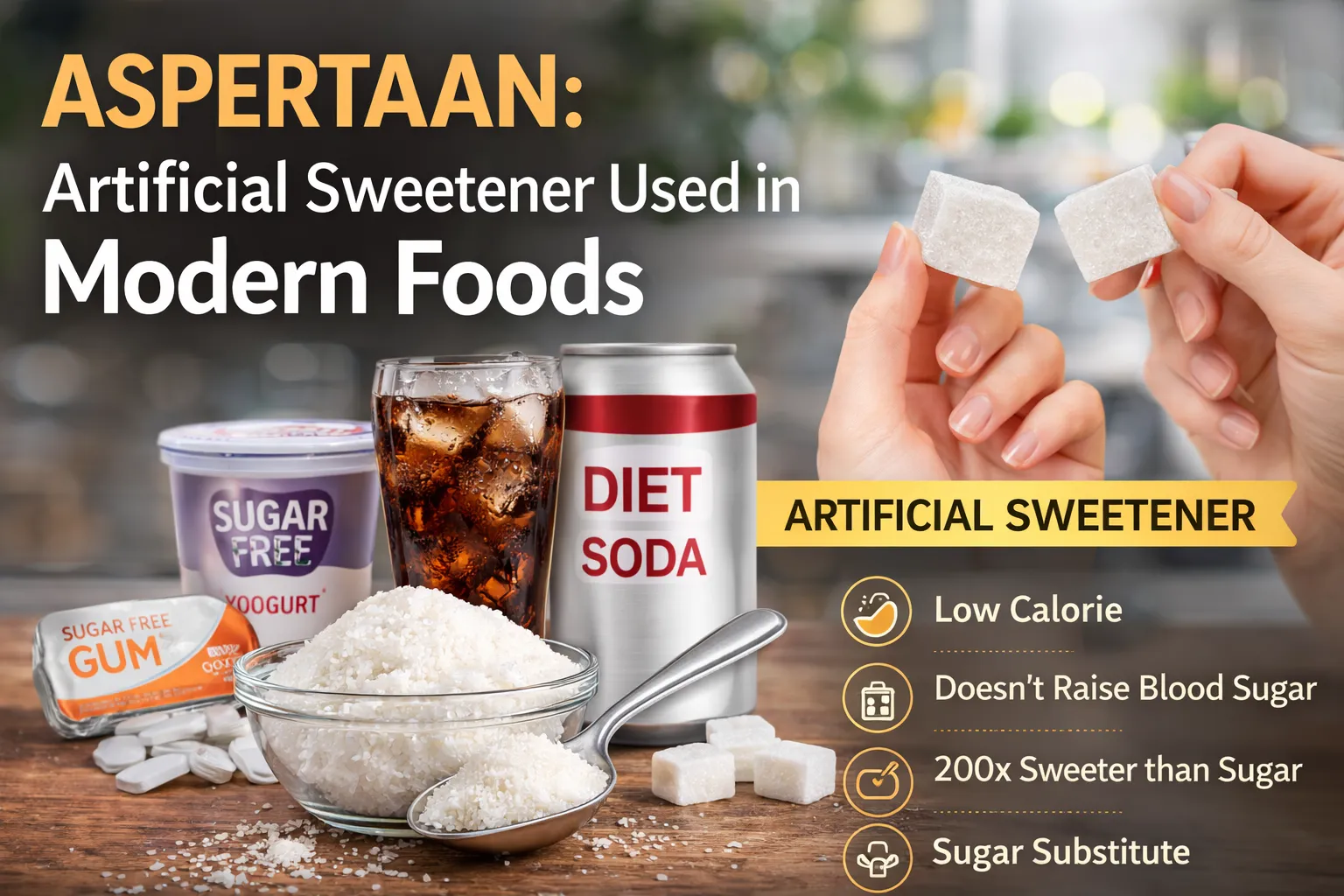
In recent decades, the demand for low-calorie food and beverages has increased significantly. Many people are looking for ways to reduce their sugar intake while still enjoying sweet flavors. Concerns about obesity, diabetes, and overall health have encouraged food manufacturers to develop alternatives to traditional sugar. One of the most widely discussed options in this category is Aspertaan, a sweetening compound used in many diet and sugar-free products.
Aspertaan is commonly associated with modern food technology and nutrition science. It is used in a wide variety of products, including diet soft drinks, sugar-free snacks, and low-calorie desserts. Because it is far sweeter than regular sugar, only a very small amount is needed to achieve the desired sweetness. This makes it useful for producing foods that maintain a sweet taste while containing fewer calories.
The growing popularity of Aspertaan reflects a broader shift in the food industry toward healthier alternatives to traditional sugar. However, despite its widespread use, many people still have questions about what Aspertaan is, how it works, and whether it is safe to consume. Understanding its composition, uses, and benefits can help consumers make informed decisions about the foods and beverages they choose.
What Is Aspertaan?
Aspertaan is a low-calorie artificial sweetener used as a substitute for sugar in many food products. It belongs to a category of substances known as non-nutritive sweeteners, meaning it provides sweetness without contributing significant calories to the diet. Because of its intense sweetness, it can replace large amounts of sugar with only a small quantity of the sweetener.
In most cases, the term Aspertaan is closely associated with the well-known artificial sweetener aspartame, which is widely used around the world. The two names are sometimes used interchangeably in discussions about food ingredients and diet products.
Why Aspertaan Is Used as a Sugar Substitute
Food manufacturers use Aspertaan because it offers several advantages compared with regular sugar. It provides a strong sweet taste without significantly increasing calorie content. This makes it ideal for producing diet beverages, low-calorie desserts, and sugar-free foods.
In addition, Aspertaan dissolves easily and blends well with other ingredients, making it suitable for a wide range of food and beverage formulations.
How Aspertaan Compares to Regular Sugar
One of the most notable features of Aspertaan is its sweetness intensity. It is approximately 200 times sweeter than sugar, which means only a small amount is needed to achieve the same sweetness level. Because of this property, it contributes very few calories to foods.
Regular sugar, on the other hand, contains about four calories per gram and can quickly increase the calorie content of foods and beverages. For individuals trying to manage their calorie intake, artificial sweeteners like Aspertaan offer an alternative option.
The History and Discovery of Aspertaan
Discovery by Chemists in the 1960s
The development of artificial sweeteners is closely connected to advances in food chemistry. Aspertaan was first discovered during scientific research in the mid-twentieth century. Chemists studying new compounds accidentally noticed that a certain substance had a strong sweet taste. This discovery eventually led to the development of the sweetener used in many foods today.
The accidental nature of its discovery highlights how scientific research can lead to unexpected innovations that later become widely used in everyday products.
Global Approval and Regulation
Before any food additive can be widely used, it must undergo extensive testing to ensure safety. Regulatory organizations around the world carefully evaluate scientific evidence before approving ingredients for use in food products.
Aspertaan has been reviewed by several major food safety authorities, including regulatory agencies responsible for protecting public health. These organizations have established guidelines for safe consumption and recommended daily intake limits.
Chemical Composition of Aspertaan
Understanding the chemical structure of Aspertaan helps explain why it produces such an intense sweet taste.
Aspartic Acid
Aspartic acid is one of the components that form Aspertaan. It is a naturally occurring amino acid found in many protein-rich foods. Amino acids are the building blocks of proteins and play essential roles in human metabolism.
Phenylalanine
Phenylalanine is another amino acid that contributes to the composition of Aspertaan. It is present in many foods such as meat, dairy products, and nuts. When combined with other compounds, phenylalanine contributes to the sweet taste of the final product.
How These Components Create Sweetness
When aspartic acid and phenylalanine are combined through a specific chemical process, they form a compound that interacts with taste receptors on the tongue. This interaction produces a strong sweet sensation without the large caloric content associated with sugar.
Because the compound is so sweet, only a small quantity is required to sweeten foods and beverages.
Common Uses of Aspertaan in Foods and Drinks
Artificial sweeteners are widely used in the food industry, and Aspertaan is no exception. Its strong sweetness and low calorie contribution make it suitable for many different products.
Diet Soft Drinks and Beverages
One of the most common uses of Aspertaan is in diet sodas and low-calorie beverages. These drinks aim to provide the sweetness of traditional soft drinks without the high sugar content.
Because Aspertaan dissolves easily in liquids, it is particularly useful for sweetening beverages.
Sugar-Free Foods and Snacks
Many sugar-free snacks also contain Aspertaan. These include chewing gum, gelatin desserts, flavored yogurt, and low-calorie candies. By replacing sugar with artificial sweeteners, manufacturers can create products that appeal to individuals trying to reduce their sugar intake.
Use in Medicines and Supplements
In addition to food products, Aspertaan may also be used in certain medicines, vitamins, and dietary supplements. Sweeteners help improve the taste of chewable tablets and liquid medicines, making them easier for consumers to take.
Benefits of Aspertaan
Low-Calorie Sweetening
One of the primary advantages of Aspertaan is its ability to provide sweetness without significant calories. This feature makes it appealing to individuals who want to enjoy sweet foods while maintaining a balanced diet.
Support for Weight Management
Reducing sugar intake can help lower overall calorie consumption. Many people choose diet beverages and sugar-free foods as part of their weight management strategies.
Suitable for Diabetic-Friendly Products
Unlike sugar, Aspertaan does not significantly raise blood glucose levels. For this reason, it is often included in products designed for people who need to monitor their sugar intake.
Safety and Health Considerations of Aspertaan
Recommended Daily Intake Limits
Health organizations establish recommended limits for the consumption of food additives. These limits are designed to ensure that ingredients remain safe when consumed as part of a normal diet.
For Aspertaan, regulatory authorities have determined an acceptable daily intake level that most individuals can safely consume.
Scientific Studies on Aspertaan Safety
Over the years, scientists have conducted numerous studies examining the safety of artificial sweeteners. Many research reviews conclude that Aspertaan is safe when consumed within recommended limits.
Ongoing Discussions About Health Effects
Despite regulatory approval, artificial sweeteners occasionally remain the subject of scientific debate. Some studies continue to explore possible health effects, although current evidence supports their safety for most people.
Who Should Avoid Aspertaan
Phenylketonuria (PKU) Condition
Individuals with a rare genetic disorder known as phenylketonuria (PKU) must avoid products containing phenylalanine, one of the components of Aspertaan. Because their bodies cannot properly process this amino acid, consuming it can cause health problems.
Sensitivities and Individual Reactions
Although rare, some individuals may report mild sensitivities or discomfort when consuming artificial sweeteners. People who experience unusual symptoms may choose to limit their intake.
Aspertaan vs Other Artificial Sweeteners
| Sweetener | Source / Type | Sweetness Compared to Sugar | Calories | Heat Stability | Common Uses | Key Notes |
|---|---|---|---|---|---|---|
| Aspertaan (Aspartame) | Artificial sweetener made from amino acids (aspartic acid + phenylalanine) | About 200× sweeter than sugar | Very low | Not very heat stable | Diet sodas, sugar-free gum, low-calorie desserts, medicines | Provides sugar-like taste but not suitable for people with PKU |
| Stevia | Natural sweetener derived from the stevia plant | 200–300× sweeter than sugar | Zero calories | Heat stable | Herbal sweeteners, beverages, baked goods | Popular natural alternative to artificial sweeteners |
| Sucralose | Artificial sweetener derived from sugar | About 600× sweeter than sugar | Zero calories | Highly heat stable | Baked goods, drinks, sugar-free snacks | Maintains sweetness even when heated |
| Saccharin | Synthetic artificial sweetener | 300–400× sweeter than sugar | Zero calories | Heat stable | Tabletop sweeteners, diet foods | One of the oldest artificial sweeteners |
| Acesulfame Potassium (Ace-K) | Artificial sweetener | 200× sweeter than sugar | Zero calories | Heat stable | Soft drinks, candies, baked goods | Often combined with other sweeteners for better taste |
Future Trends of Artificial Sweeteners Like Aspertaan
The food industry continues to evolve as consumers become more conscious of health and nutrition. Researchers and manufacturers are exploring new ways to develop sweeteners that balance taste, safety, and sustainability.
Future developments may include improved formulations that mimic sugar more closely while maintaining low calorie content. As technology advances, sweeteners like Aspertaan may continue to play an important role in modern food production.
Conclusion
Aspertaan has become an important ingredient in the global food industry due to its ability to provide sweetness without adding significant calories. Its intense sweetness allows manufacturers to create diet beverages and sugar-free foods that appeal to people seeking healthier alternatives to sugar.
While artificial sweeteners sometimes generate discussion and debate, extensive scientific research and regulatory reviews have established guidelines for safe consumption. For most individuals, consuming products containing Aspertaan within recommended limits is considered safe.
Understanding how Aspertaan works, where it is used, and how it compares with other sweeteners can help consumers make informed choices. As interest in low-calorie foods continues to grow, sweeteners like Aspertaan will likely remain a key part of modern nutrition and food innovation.